Documenting a Village Festival: A Photo Story Checklist
October 29, 2026 - Local Stories

October 29, 2026 - Local Stories
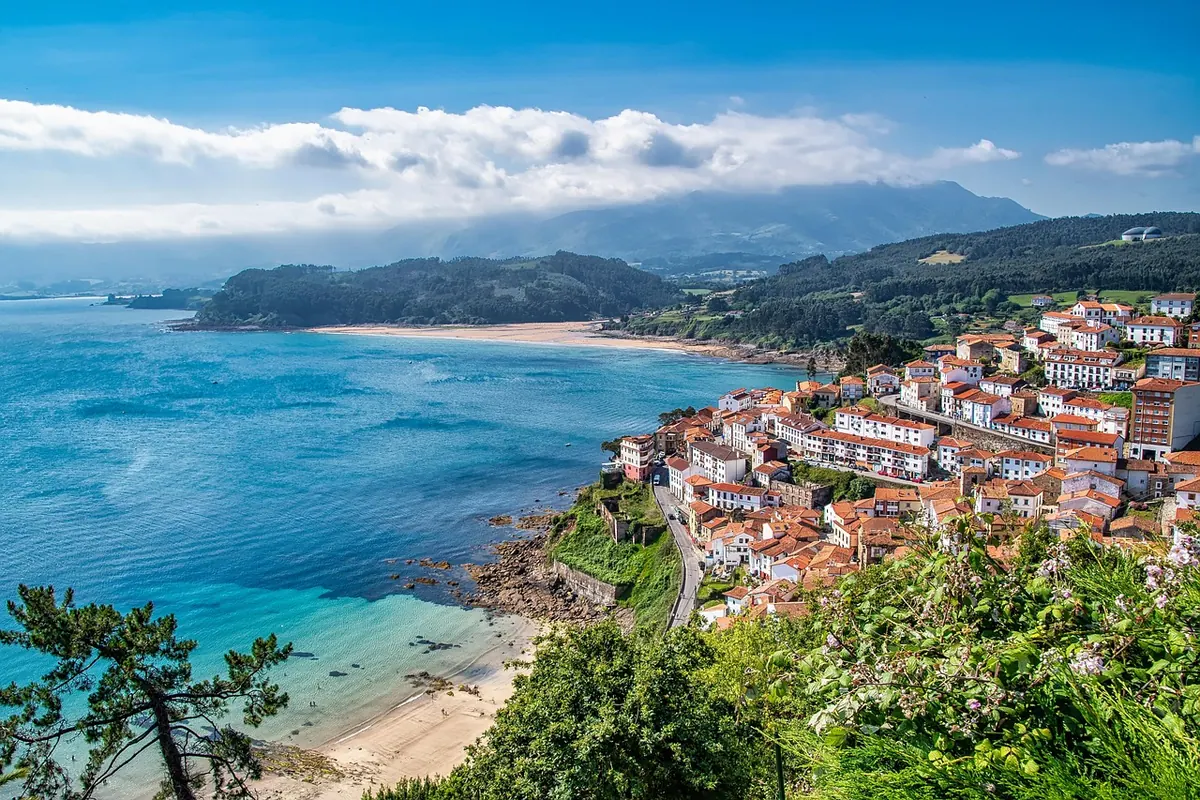
A hill town hands you two gifts and one problem. The gifts are compression and light: everything worth photographing sits within a ten-minute walk, and the sun does theatrical things to old stone between six and eight in the evening. The problem is that the obvious pictures — the panorama from the belvedere, the alley with the geraniums — have been made so many times that you can take them without really looking. A three-day plan helps. Not a shot list, but a rhythm: one day to learn the place, one day to chase the light, one day to fall in with the people who live there. Add a wet-weather fallback and you stop being a visitor with a camera and start making a small, coherent body of work.
Arrive, drop the bag, and walk the whole town twice — once following the walls, once climbing every staircase you pass. Most Italian hill towns are built along a ridge, with a main street on top and alleys spilling down both sides. That geometry decides your light for the entire trip, and you cannot learn it from a map. Carry the camera but keep it down. Use your phone for rough reference snaps the way you'd use a sketchbook: not pictures, just notes.
What you are looking for, specifically:
Finish by checking opening hours for churches and small museums, and asking at your hotel whether a market runs during your stay. Fifteen minutes of questions on day one saves an hour of wandering on day three.
Hill towns don't have all-day light. They have windows, and the job is to be standing in the right one.
Early light rakes across stucco and pulls texture out of walls that look flat at noon. Long shadows drop down staircases, deliveries block the main street, and the shutters are still closed. Work fast and keep the camera up between frames. If you find a staircase you like, shoot it at three different hours over the three days rather than three times in ten minutes.
Between eleven and three the light is hard and vertical, and most photographers put the camera away. Don't. Go inside — a church, a small museum, the covered section of a market, a cafe with a marble counter. Check whether photography is permitted and whether a service is running; if it is, put the camera down and come back later. Outside, work in the shade: a doorway portrait, a shopkeeper's hands, laundry strung above an alley where the only light is bounced off a wall. Midday is when you photograph stone, doors, tools and hands.
West-facing facades go warm in the last hour, the piazza fills, and the stone starts to glow. Then the sun drops behind the ridge and you get the half hour that most people waste: the sky stays bright, the street lamps come on, and there is still detail in both. Pick your frame before any of this starts — a staircase, a corner of the piazza, a view down a street — and stay in it. Running around during the best twenty minutes of the day is how good trips end with mediocre pictures.
One frame, worked patiently through two light changes, usually beats fifteen frames grabbed from fifteen places.
By the third morning you are no longer a stranger, which is the real reason to stay three days. Return to the same bar for coffee. Take the same route. People begin to nod at you, and a nod is worth more than any lens.
Build the day around what the town already does: the market, the church bells, the school run, the evening passeggiata when everyone walks the main street in both directions. Sit somewhere for an hour without shooting, then shoot for ten minutes. That ratio produces better pictures than the reverse.
Work from the edges first. A longer lens at a market, a wide lens in a doorway, a reflection in a shop window. Learn two words — buongiorno and posso? — and use them before you raise the camera, not after. If someone shakes their head, that is the end of it; smile, step back, move on. Buy the coffee, buy the cheese, and if you promise to send a print, actually send it.
Weather will break somewhere in three days. Overcast is not a disaster — it is a different assignment. Match the conditions to the subject rather than waiting for the postcard light:
It also pays to know one larger town within half an hour's drive — somewhere with a covered market or a proper museum — for the day the clouds settle in for good.
Two lenses at most: something around a 35mm equivalent for the alleys and staircases, and a short telephoto for people and compressed rooftops. Add a polariser, a cloth, a spare battery, and a small tripod or clamp for blue hour. Wear shoes with grip — polished stone paving is genuinely slippery when wet — and bring something to kneel on if you plan to shoot low.
Edit before you leave, or at least on the train. Cull hard: twenty-five considered pictures are worth more than four hundred loose ones, and a small town deserves a small set. Print two of them. And leave one alley unphotographed — the one you liked best on the first afternoon. It gives you a reason to come back, which is the most practical travel plan of all.
Photo: ELG21 / Pixabay
A practical checklist for photographing a village festival — from permissions and route scouting to key moments,...
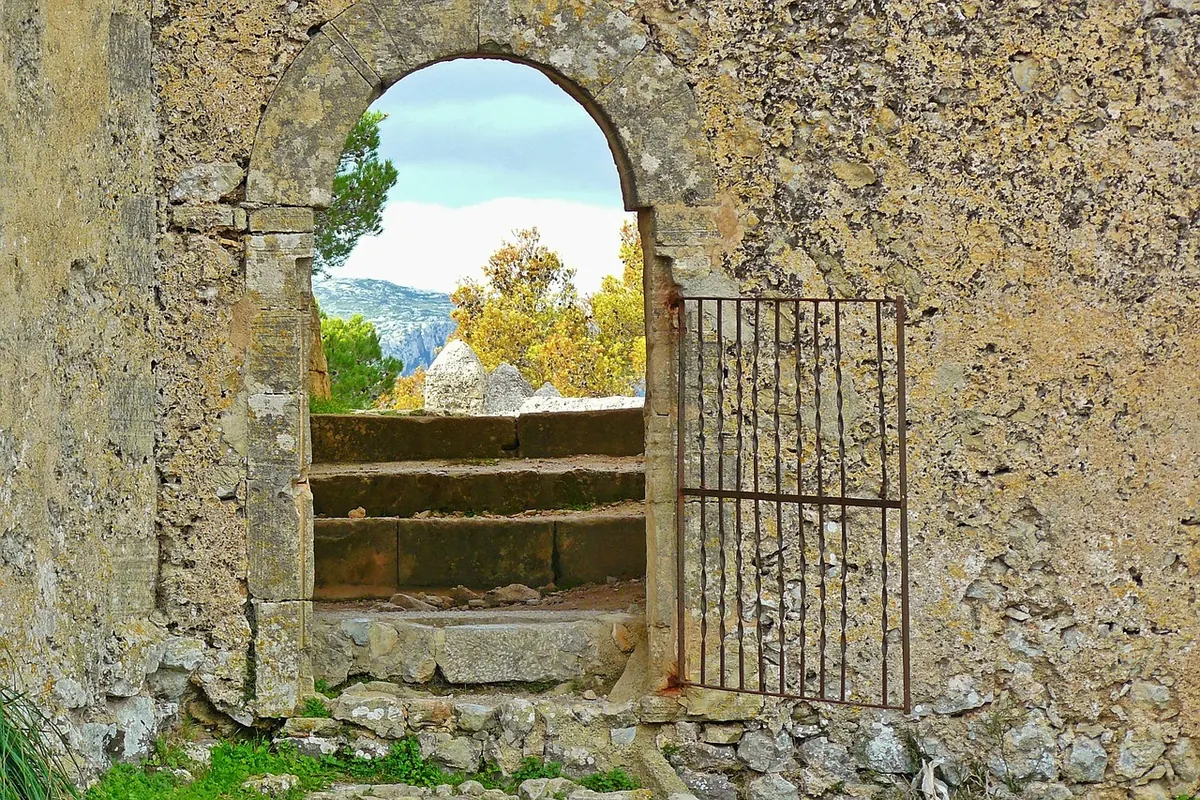
A practical guide to the doorways, stairways, and laundry lines that give Italian village streets their rhythm, and...
October 29, 2026 - Local Stories
Copyright © 2026 Sguardi Del Vicolo. All Right Reserved.