Documenting a Village Festival: A Photo Story Checklist
October 29, 2026 - Local Stories

October 29, 2026 - Local Stories
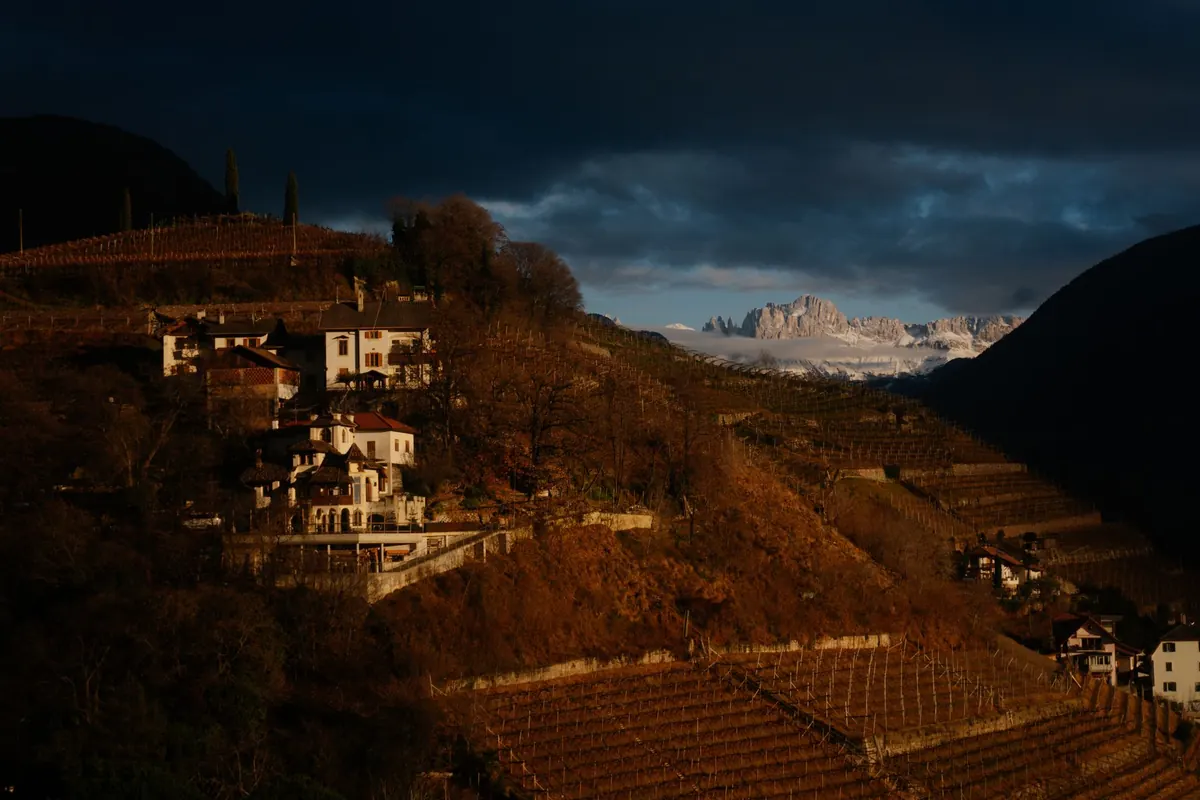
The first thing you notice is the sound. Or the absence of it. In July, a lane in a hill town like Montefalco or Trevi hums with footsteps, rolling suitcases, a radio from an open window. In January, at half past eight in the morning, that same lane is a corridor of stone with one cat on a step and the smell of woodsmoke drifting down from a chimney above the roofline. Light arrives almost horizontally, skims the bricks, and lands on the opposite wall in a shape you would never see in summer. This is the winter village: an emptier, quieter, more graphic version of the postcard. It also gives you the two things travel photographers rarely get enough of — room to stand still, and light with direction.
Most Italian hill towns were built for shade. Their lanes are narrow on purpose, twisting to break the summer sun and the wind. In June, from late morning until mid-afternoon, that design works against you: light bounces off every wall, shadows go flat, and the street turns into a white glare pit. In December, the sun never climbs high enough to spoil the geometry. It stays low, slips between rooflines, and draws hard-edged shapes across plaster and cobblestone for most of the day.
There is a second advantage that has nothing to do with light. Off-season villages are simply emptier. Shutters stay closed, laundry lines are bare, no A-frame signs crowd the doorways, and the one bar open on the piazza is full of locals reading the paper. You are photographing a place that belongs to the people who live in it rather than to the people passing through — which is usually the photograph you actually wanted.
An empty street is harder to photograph than a busy one, because there is no event to carry the frame. Fill that gap with structure. A lane needs an anchor: a lit doorway at the far end, a single window with a warm bulb behind it, a hard diagonal of shadow, a bicycle leaning against a wall. Without one of those, you are making a survey photograph rather than a picture.
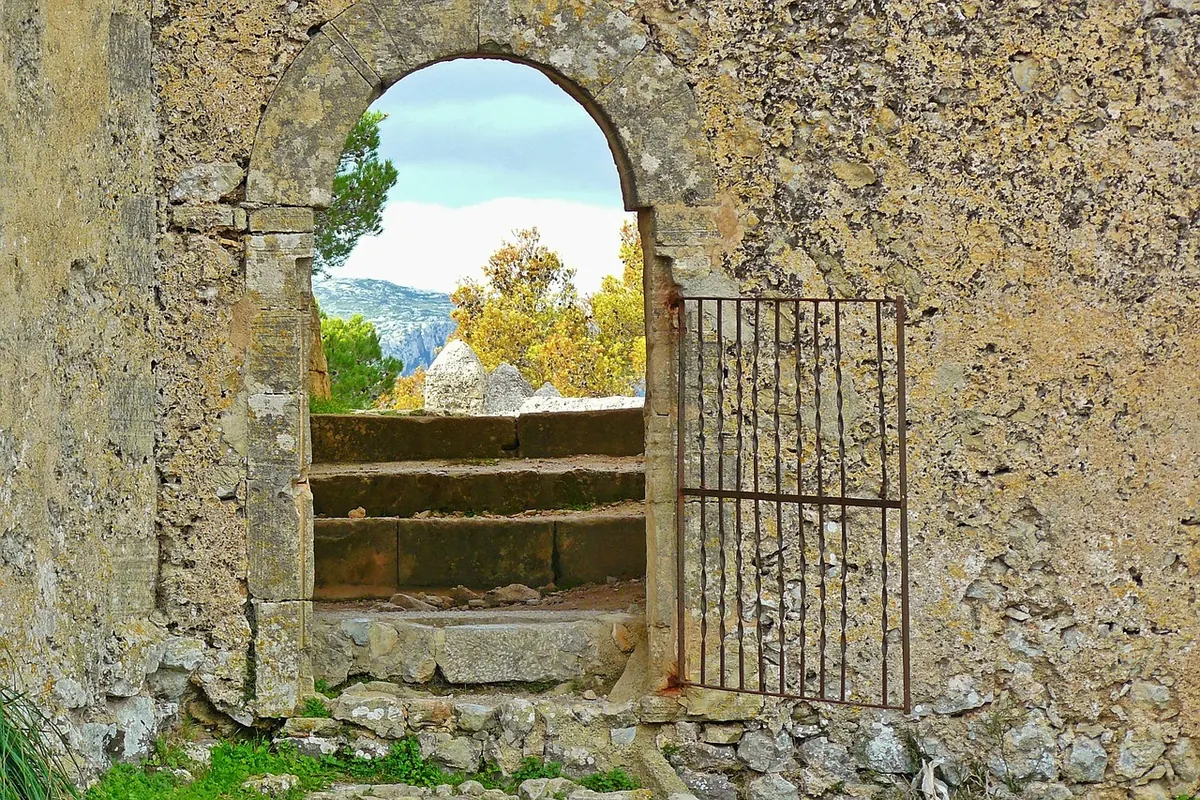
Use vertical framing for the lanes themselves — it exaggerates their height and the narrowness that made them famous. Switch to horizontal when you step into a piazza or a wider vicolo, where the low sun will throw a long shadow across the paving and give you a foreground to work with. Get close to surfaces: crumbling render, worn stone steps, brass door handles, the iron rings where horses were once tied. In winter these details read better because the light is raking rather than overhead, and shadow reveals texture that flat summer light erases.
And be patient in a way that summer crowds never allow. Stand in one spot for ten minutes. Someone will eventually cross the frame — an old man with a shopping bag, a woman closing a shutter, a dog trotting home. One figure in an empty lane is worth twenty in a crowded one.
In central Italy in December, first usable light arrives around eight in the morning and the sun is gone by about half past four. That sounds restrictive until you realise the hours in between are all decent. The good windows are roughly 8:00 to 10:30 and 15:00 to sunset, with the middle of the day useful in narrow lanes where the sun only reaches the upper floors.
Shoot into the light more often than you think you should. Backlighting a village street turns dust, smoke and breath into visible texture, and it separates a figure from the wall behind them. Expose for the bright wall and let the shadowed side of the lane go dark; that contrast is the whole point. Watch for reflected light bouncing off a sunlit facade into a shaded one — it works as a free fill and keeps the shadow side of your frame from turning to mud.
Chimney smoke is a winter gift. Position yourself so the sun is behind it and the plume lights up like a brushstroke against a dark roof. The same trick works with fog, dust from a doorway, or your own breath on a cold morning.
Bad forecasts are not a reason to stay in the apartment. Each kind of winter weather gives you something different:
The best combination in any village is a wet street plus dusk plus lit windows. Which brings up timing: blue hour in winter starts absurdly early, around twenty minutes after sunset. Plan to be in the lane you want before the light goes, not after.
A workable rhythm for a single day, refined over too many cold mornings:
Winter craft is mostly about small logistics. Batteries drain faster in the cold, so carry spares in an inside pocket rather than a camera bag. Condensation is the other enemy: when you step from a freezing lane into a warm bar, moisture forms on the glass and the sensor, so give the camera ten minutes in the bag before you shoot again. Thin gloves with fold-back fingertips are worth more than any accessory you can buy. A light tripod helps for blue hour, but in a lane barely wide enough for two people, keep it tight to the wall and let residents pass.
Which leads to the part that matters more than gear. These lanes are people's homes, not a set. Do not photograph through windows or into open doorways where someone lives. If a person is going to be recognisable in the frame, ask first — a gesture and a smile cover most language gaps — and accept a no without pushing. Buy something at the one open bar; ask the owner where the light hits at four. You will come away with a better photograph and a reason to return.
Pick one village rather than three, travel with a single lens, and arrive before the sun clears the ridge. Walk slowly, look up at the rooflines as much as down at the paving, and shoot fewer frames with more intent. Break in the middle of the day when the light has nothing to say. Come back out for the last hour and stay for the twenty minutes after sunset, when the windows light up and the streets empty completely.
Winter asks for patience rather than equipment. In exchange, it hands you the village as it looks when nobody is watching — and that is the version worth photographing.
Photo: Raymond Petrik / Pexels
A practical checklist for photographing a village festival — from permissions and route scouting to key moments,...
A practical guide to the doorways, stairways, and laundry lines that give Italian village streets their rhythm, and...
October 29, 2026 - Local Stories
Copyright © 2026 Sguardi Del Vicolo. All Right Reserved.