Documenting a Village Festival: A Photo Story Checklist
October 29, 2026 - Local Stories

October 29, 2026 - Local Stories
The bar opens at six. By half past, the counter is three deep, the espresso machine is screaming, and the owner has no time for you. Come back at ten, when the rush is over and the shutters next door are still half up, and the same person will lean against the doorframe, wipe their hands on an apron, and ask what you want. That shift in timing is most of the work.
Small Italian towns are generous with portraits, but not with carelessness. Everyone knows who you are within a day, and a shopkeeper who felt rushed or tricked will tell the next three people on the street. What follows is the approach that has worked for me: slow, specific, and built around the doorway.
Before you ask for anything, buy something. A coffee, a piece of fruit, a packet of biscuits you do not need. It gives you a reason to be there, a few seconds of natural conversation, and a chance to read the room.
Look at the shop while you wait. The crates stacked by the door, the hand-written price list, the calendar from four years ago, the way the light comes in from the street and dies three metres inside. These are the details that will make the photograph, and noticing them out loud is a compliment. Che bella luce qui dentro — what lovely light in here — opens more doors than any explanation of your project.
Go mid-morning, roughly between nine and eleven. Many shops still close for a couple of hours around lunch, and the hour before closing is when patience runs thinnest. Avoid Saturday market day unless the market itself is what you came to photograph. And when you walk in, look for the person who owns the place, not the youngest person at the till. Ask for the owner by role: c'è il titolare?
Keep the camera down. Not around your neck with your hand already on the grip, not raised to check a setting while you talk. If it is in your hand at all, let it hang by your side until the conversation is nearly over.
Stand slightly to one side of the entrance so you are not blocking the light or the customers. Then use short sentences, in Italian if you can manage it, and let them choose whether to switch to English.
Then stop talking. The silence after the request belongs to them, and filling it with more explanation only makes the ask feel heavier. If the answer is a shrug and a wave toward the counter, that is usually a yes — but ask once more to be sure.
Say where the picture will go before you take it, not after. "My own photography website, about Italian towns" is a sentence anyone can understand. Add whether it is just the site, or also a print, a small exhibition, a page for the shop itself. Vague answers here are the fastest way to lose goodwill in a town where everyone talks.
After the first frame or two, turn the screen around and show them. Most people want to see it. Some will ask you to delete it; delete it in front of them, without sighing. Offer the same choice again at the end: va bene se la pubblico? — is it all right if I publish it?
A nod at the start is not the same as permission to publish, so ask both questions separately. If you plan to use the image commercially, or you are unsure how the rules apply where you are working, take proper advice before you publish — the details vary and they matter. For a personal, editorial-style project shared on your own site, being explicit and letting them decide covers most of it.
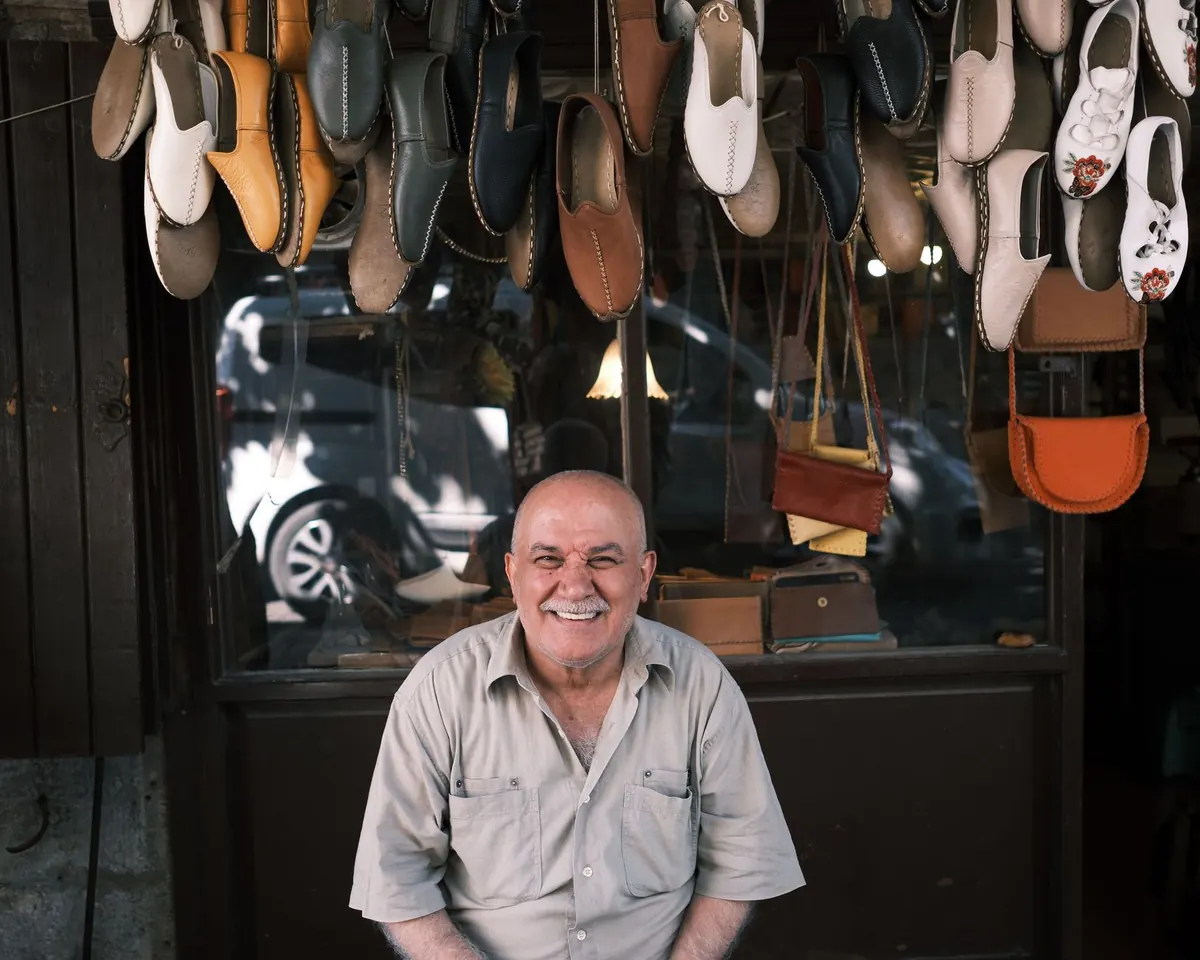
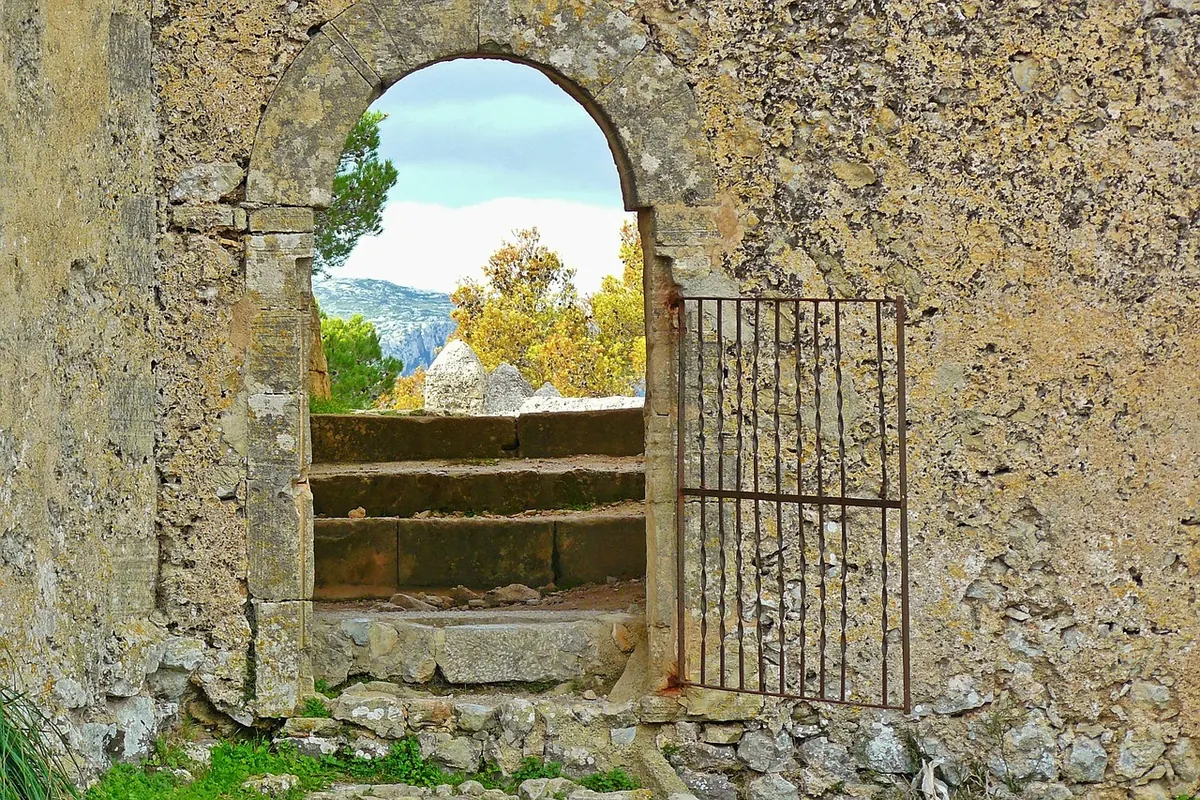
The doorway is the single best thing you have in a small-town shop. It is a frame, a light source, and a place where the person in front of you already feels at home. Standing in their own threshold, people straighten up without being asked, fold their arms the way they always do, and stop performing for the camera.
If the interior is dark and the street is bright, put them just inside the doorway with their face turned slightly toward the light. You will need to bring up the exposure for the shadow side; do it with a slower shutter speed and steady hands, or simply move them a half-step closer to the street.
It often will. The best frames come after the first three minutes, once the small talk about the weather has run out and the real talk starts: how long the shop has been in the family, what the street was like before the supermarket opened, who used to run the place upstairs.
Ask about the shop rather than about themselves. It is the subject they are proudest of and the easiest thing to talk about. Do not direct their body much — a small suggestion about the hands, a request to look toward the street, is enough. Anything more and you will get a studio pose in a place that has never seen one.
Take fewer frames than you want to. Show one, let them react, fix their hair, and then shoot again. That second round is usually the keeper, because now they know what the picture looks like and they have decided they like it.
Return. If you can, carry a small printer or get a handful of prints made at the nearest photo shop and go back within a few days. Handing someone a photograph of themselves, in a town where everything now lives on a phone, does more for your reputation than any caption you will write.
Before posting, check in once more if any time has passed. Send the link so they can see it in place — many shopkeepers will happily share it on the shop's own page, but let them ask rather than tagging them unannounced. Spell their name correctly and the shop's name correctly, and credit both. If they said yes in the shop and seem uneasy later, take it down.
Leave a card with your name and website, in Italian if you can manage it. And go back as a customer, not only as a photographer with a request. Buy the biscuits again.
Do that, and most shopkeepers will give you five minutes and a good photograph. Some will give you the whole afternoon.
Photo: Esma Nur Büyükgüçlü / Pexels
A practical checklist for photographing a village festival — from permissions and route scouting to key moments,...
A practical guide to the doorways, stairways, and laundry lines that give Italian village streets their rhythm, and...
October 29, 2026 - Local Stories
Copyright © 2026 Sguardi Del Vicolo. All Right Reserved.